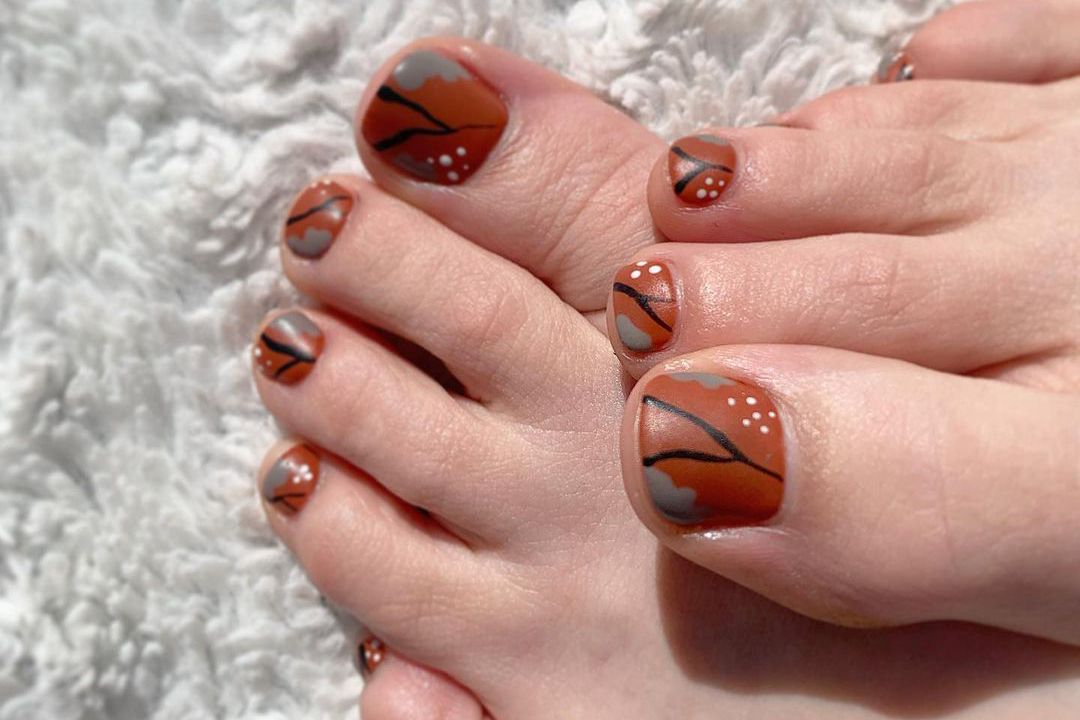
I’ll never forget the moment I first considered false nails for my toes. It was the night before a beach vacation, and my big toenail had split right down the middle. No salon was open. No time to grow it out. I thought I’d be hiding my feet in the sand all week.
Then a friend handed me a pack of false toenails. “Try these,” she said. “They’re not just for fingers anymore.”
She was right. False nails for toes have come a long way. Whether you have a damaged nail, a special event, or just want perfect-looking feet without the upkeep, they’re a practical, beautiful solution.
Here’s everything I’ve learned about applying, wearing, and removing false toenails safely and effectively.
Why Use False Nails on Your Toes?
Let’s be honest: toenails take a beating. They’re trapped in shoes, bumped into furniture, and subjected to constant pressure. Common problems include:
- Broken or split nails from stubbing or sports
- Fungal damage that leaves nails thick or discolored
- Post-surgery recovery where natural nails are removed
- Thin or brittle nails that never look polished
- Special occasions like weddings, sandal season, or pool parties
False toenails give you an instant, flawless finish while your natural nails grow out or recover. They’re also great for trying a bold color or length without commitment.
Choosing the Right False Toenails
Not all false nails are created equal. Toenails are wider, shorter, and flatter than fingernails. You need products designed for feet.
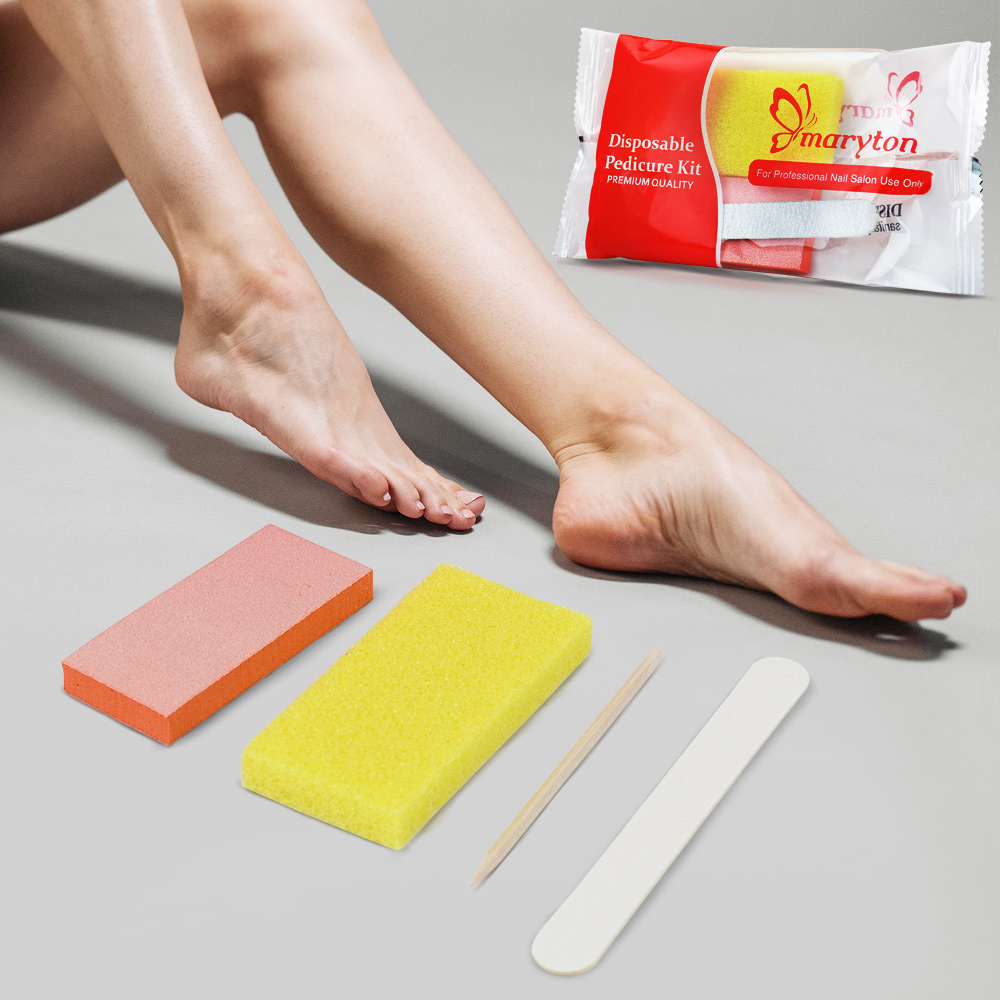
What to Look For
Wide, flat shape. Toenail beds are broader and less curved than fingernails. Look for sets labeled “toe nails” or “pedicure tips.”
Short length. Long false toenails will hit the inside of your shoes and break. Choose short or medium lengths only.
Sturdy material. Toenails endure more pressure than fingernails. ABS plastic or acrylic tips are stronger than thin gel strips.
Adhesive options. You have two choices:
- Adhesive tabs: Easier, gentler, last 1-3 days. Great for events or short-term wear.
- Nail glue: Stronger, lasts 5-10 days. Better for vacations or covering damaged nails.
What to Avoid
- Fingernail tips (too narrow and curved)
- Super long lengths (they won’t fit in shoes)
- Cheap, flimsy plastic (breaks immediately)
How to Apply False Toenails: Step by Step
Step 1: Prepare Your Natural Toenails
Start with clean, dry feet. Remove any old polish. Wash with soap and water, then wipe each toenail with rubbing alcohol on a cotton pad. This removes oils and helps adhesive stick.
Trim your natural nails short. False nails adhere best to a flat, short surface. File any rough edges.
Gently push back cuticles. Do not cut them—toe cuticles protect against infection.
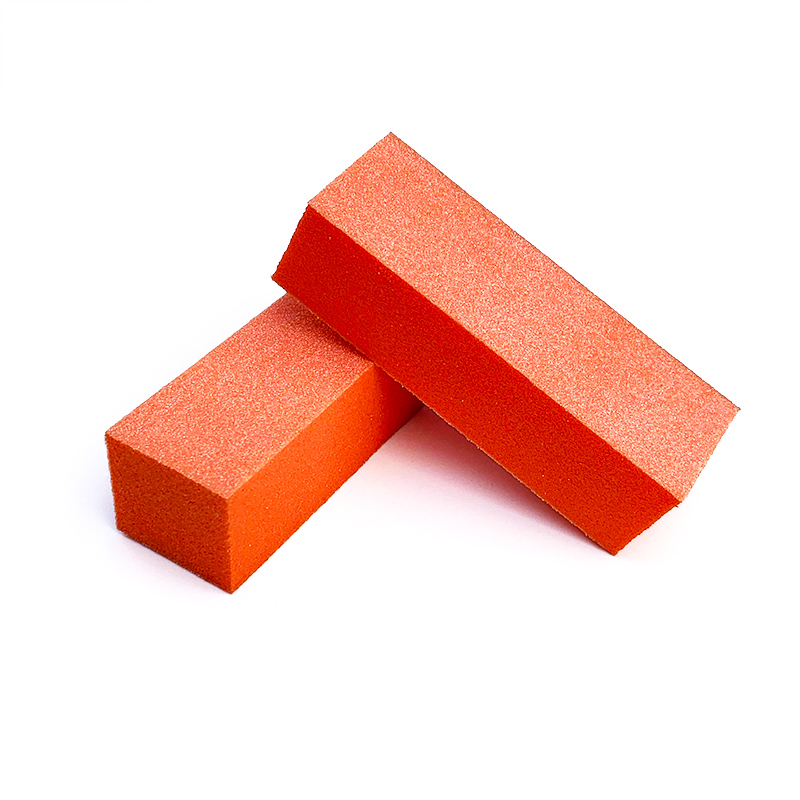
Pro tip: If your natural nail is damaged, rough up the surface lightly with a fine-grit nail buffer. This creates texture for the glue to grip.
Step 2: Size Your False Nails
Lay out all the false nails and match them to your toes. Big toes are largest, pinky toes smallest. Don’t assume symmetry—your left and right feet may differ.
If a false nail is slightly too wide, file the sides gently. If it’s too narrow, choose a different size from the set.
Step 3: Apply Adhesive
For adhesive tabs: Peel a tab and stick it to your natural nail. Press firmly. Then peel the top cover and press the false nail on. Hold for 30 seconds.
For glue: Apply a thin layer of nail glue to your natural nail and another thin layer to the inside of the false nail. Wait 10 seconds until tacky, then press together firmly. Hold for 30-60 seconds.
Step 4: Position Carefully
Toenails should sit slightly back from the tip of your toe, leaving a tiny gap at the free edge. They should not overhang the sides. Press down firmly to eliminate air bubbles.
Step 5: Avoid Water for an Hour
Adhesives need time to cure fully. Don’t shower, soak, or wear tight shoes for at least one hour after application.
How to Make False Toenails Last
Toenails face more abuse than fingernails—shoes, socks, walking, and water. Here’s how to extend their life:
Wear open-toed shoes when possible. Closed shoes press on the tips and can lift edges.
Don’t soak feet. Long baths, hot tubs, and swimming pools weaken adhesive. If you must get them wet, dry thoroughly afterward.
Apply a top coat. A layer of clear polish over the false nail adds shine and protection. Reapply every few days.
Carry spares. Keep a few extra nails and a small tube of glue in your bag. If one pops off, you can reapply in minutes.
Remove before heavy activity. Running, hiking, or sports put extreme pressure on false nails. Consider removing them beforehand.
How to Remove False Toenails Safely
Never peel or pry off false nails. That rips layers of your natural nail.
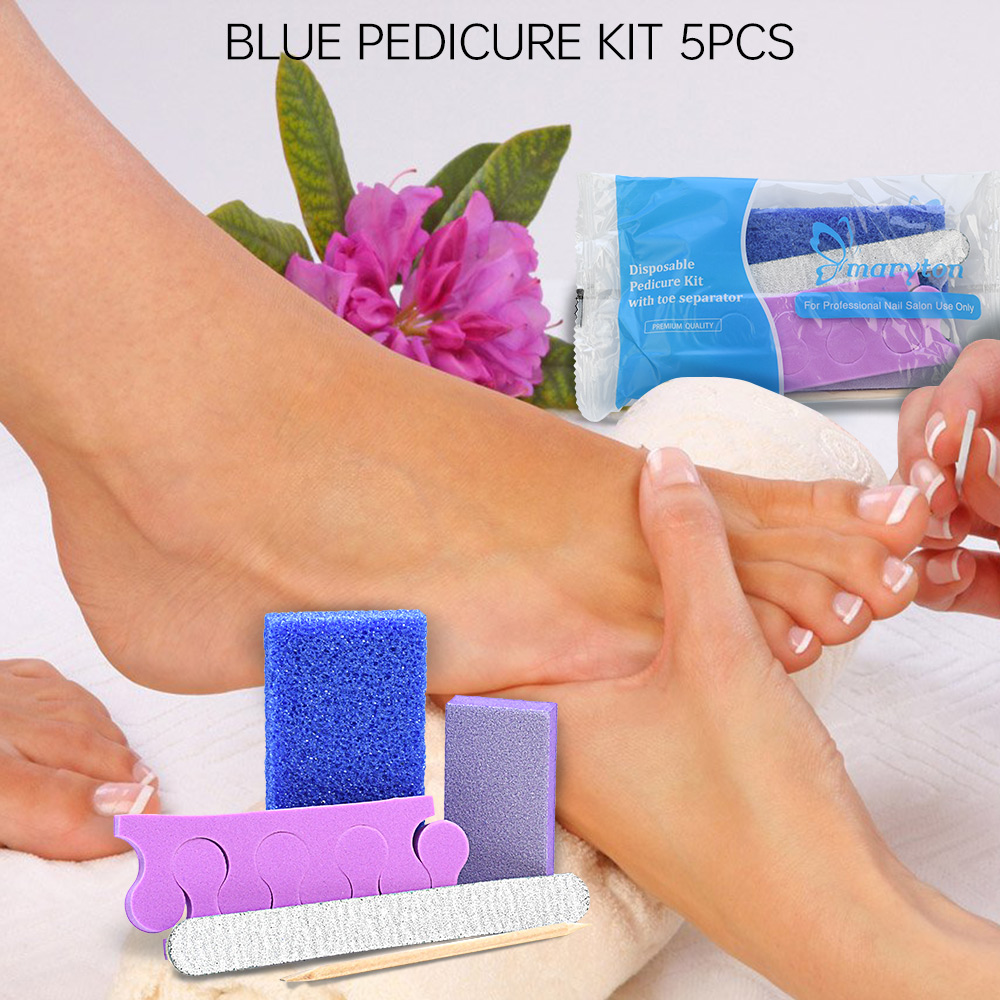
For adhesive tabs: Gently lift the edge with a wooden stick. The tab should peel off. Remove any residue with alcohol.
For glue nails: Soak a cotton ball in pure acetone, place it on the nail, wrap with foil, and wait 10-15 minutes. The false nail will slide off. Gently push with a wooden stick—never scrape.
After removal, wash your feet, apply cuticle oil, and let your natural nails breathe for a day or two before reapplying.
Common Mistakes to Avoid
Applying over infected nails. If you have fungus, injury, or open sores, never cover them with false nails. See a podiatrist first.
Using too much glue. Excess glue can seep onto skin and cause irritation. Less is more.
Forgetting to size properly. An ill-fitting false nail lifts at edges, trapping moisture and bacteria.
Wearing them too long. Reapply fresh nails every 5-7 days. Lifted edges invite infection.
Ignoring pain. If a false nail hurts, remove it immediately. You may have applied too much pressure or chosen the wrong size.
Special Situations
Covering a Damaged or Missing Nail
False nails are perfect for this. Clean the area gently, apply a thin layer of glue to the remaining nail surface (not the skin), and press the false nail on. Avoid getting glue on exposed nail bed—it stings.
After Toenail Removal Surgery
Wait until your doctor clears you for adhesive. Usually 2-3 weeks post-procedure. Use only adhesive tabs, never glue, until the area is fully healed.
For Athletes
False toenails and sports don’t mix well. Remove them before running, soccer, or anything with tight shoes. If you must wear them, use glue and choose very short nails.
The Bottom Line
False nails for toes are a fantastic tool—for covering damage, adding beauty, or getting through sandal season with confidence. The key is choosing the right product, applying it carefully, and removing it safely.
Your feet carry you everywhere. They deserve to look their best, whether that’s natural or enhanced. With a little practice, false toenails can give you perfect, polished feet without the salon visit.
Read also: The Foundation of Well-Being: A Guide to Simple and Effective Foot Care