
Your feet. They carry you through life, quite literally. Yet, they are often the most neglected part of our bodies, tucked away in socks and shoes until problems arise. Two of the most common issues are cracked heels and calluses. While they might seem like mere cosmetic nuisances, understanding and caring for them is key to comfort and mobility.
Why Do Cracks and Calluses Form?
Think of your skin as a protective barrier. Cracked heels, or fissures, occur primarily due to excessive dryness. The skin on the heel is naturally thicker and has fewer oil glands. When it loses moisture and elasticity, it can split under pressure—your body weight. Calluses, meanwhile, are your body’s clever, if unsightly, defense mechanism. They are areas of thickened, hardened skin that develop from repeated friction or pressure. It’s your skin’s way of building a protective “armor” against irritation, commonly on the balls of the feet or heels from shoes, or on toes from rubbing.
When Does Normal Become Too Much?
Some calluses and seasonal dryness are normal. However, excessive formation often points to avoidable causes:
- Neglect and Dryness: Simply not moisturizing is the top cause of cracks.
- Poor Footwear: Shoes that are too tight, too loose, or lack proper support create friction and pressure points.
- Prolonged Standing: Especially on hard surfaces, which increases pressure on heels and balls of the feet.
- Walking Barefoot: This exposes skin to rough surfaces and direct pressure.
- Biomechanics: An unusual gait or posture can place uneven pressure on certain areas.
- Medical Conditions: Diabetes, thyroid issues, or certain vitamin deficiencies can lead to very dry skin or affect sensation, making you prone to injury.
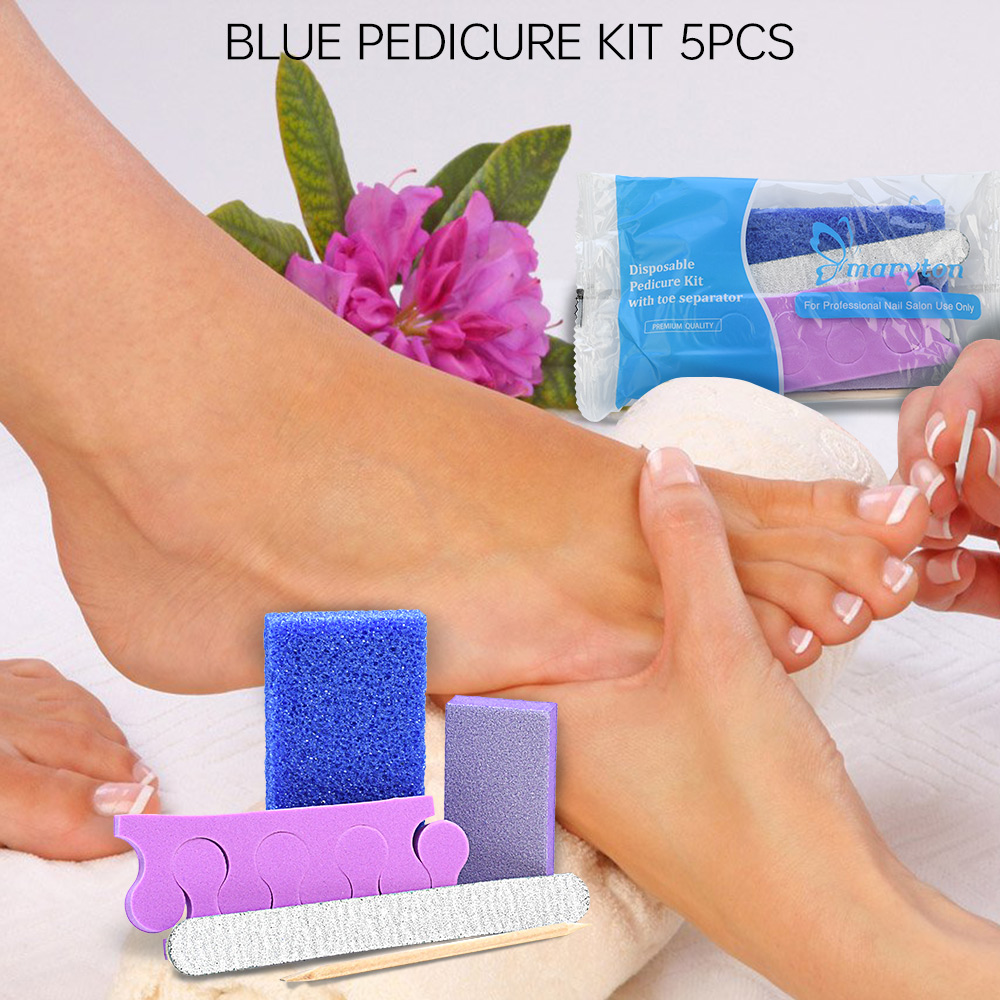
The Three-Step Foot Care Routine
Caring for your feet is straightforward and deeply rewarding. Aim for this routine 2-3 times a week.
1. Soften & Clean: Begin with a 10-15 minute soak in warm (not hot) water with a handful of Epsom salts or a gentle soap. This softens dead skin and relaxes muscles.
2. Exfoliate Gently: After drying, use a pumice stone or foot file on damp skin. File calluses and cracked areas with gentle, circular motions. Never use a razor or sharp blade, as this can lead to infection. The goal is gradual reduction, not removal in one session.
3. Moisturize Deeply: This is the most crucial step. While skin is still slightly damp, apply a thick moisturizer—look for ingredients like urea, glycerin, salicylic acid, or shea butter. For very deep cracks, apply cream and cover with cotton socks overnight to lock in moisture.
Building Habits for Healthy Feet
Prevention is always simpler than cure. Integrate these habits into your daily life:
- Choose Wisely: Wear well-fitting, supportive shoes with cushioned soles. Rotate your footwear.
- Dry Thoroughly: After bathing, dry carefully between your toes to prevent fungal growth, which can weaken skin.
- Hydrate Daily: Make applying foot cream part of your nightly ritual, just like brushing your teeth.
- Use Protection: For specific friction points, use non-medicated padded insoles, toe sleeves, or moleskin.
- Listen to Your Feet: Pay attention to pain or discomfort—it’s a signal to adjust your shoes or activity.
- Stay Hydrated: Drinking enough water benefits your skin from the inside out.
Your feet are the foundation of your movement and independence. They deserve more than being ignored until they hurt. A little consistent care—softening, gentle smoothing, and generous moisturizing—can transform their health and comfort. Start tonight. Treat your feet with kindness, and they will faithfully carry you forward, step after comfortable step.
Read also: Black Nails: Causes and Treatments